






Bulky Waste for Merton Flats: Safe Storage to Pickup
Posted on 10/06/2026
Bulky waste in a flat is one of those problems that quietly grows teeth. A spare sofa becomes a hallway obstacle, a broken wardrobe starts leaning a little too confidently, and suddenly the one cupboard you thought was "temporary storage" is doing far too much work. If you live in a Merton flat, figuring out Bulky Waste for Merton Flats: Safe Storage to Pickup is not just about tidying up. It is about keeping access clear, avoiding damage, and getting the item out without creating a bigger mess than the thing itself.
This guide walks through the whole process in plain English: what counts as bulky waste, how to store it safely in a flat, what to avoid, and how pickup usually works in real life. You will also find practical tips for tight stairwells, shared entrances, awkward lifts, and the kind of "where on earth do we put this until collection day?" situation that flat dwellers know all too well. Let's make it manageable.
Why Bulky Waste for Merton Flats: Safe Storage to Pickup Matters
In a flat, bulky waste is not just "big rubbish". It is anything awkward, heavy, rigid, or hard to break down safely: mattresses, beds, wardrobes, sofas, office chairs, tables, exercise equipment, large appliances, old shelving, and similar items. In a house, you may have a garage or driveway to keep things out of the way. In a flat, you often have shared corridors, limited storage, and neighbours passing by all day. That changes everything.
Safe storage matters because bulky items can block escape routes, damage walls and flooring, attract complaints from neighbours, and become a hazard if left somewhere unstable. A wobbly chest of drawers in a narrow hallway is not only annoying; it can be a genuine trip risk, especially during a busy evening when everyone is carrying shopping bags and trying not to bump into each other. Truth be told, the item itself is often less of a problem than where people put it.
There is also the practical side. If a bulky item gets damp on a balcony, starts shedding pieces in a communal area, or is dragged through a stairwell without protection, you may end up with extra cleaning, damage, or a collection delay. That is why the whole journey from safe storage to pickup needs a bit of thought, even if it sounds simple on paper.
For many Merton residents, this also sits inside a wider home move, flat refurb, or clear-out. If you are planning a larger clearance and want the bigger picture, it can help to look at the services overview and related options such as house clearance in Merton or waste clearance in Merton. Different jobs, yes. But they often overlap more than people expect.
How Bulky Waste for Merton Flats: Safe Storage to Pickup Works
The basic process is straightforward, but the details matter. First, identify what needs to go. Then decide where it can be kept safely until collection. After that, prepare the item so it is easier and safer to move. Finally, arrange pickup and make sure access is clear on the day. Simple enough, except that flats rarely behave as simply as you would like.
In practice, a flat-based bulky waste collection usually goes better when you think about three things at once: size, access, and timing. A sofa may fit through the doorway if it is angled just right, but not if the hallway has a bicycle, a shoe rack, and a pram parked in the way. A bed frame might be light, but if it is in several pieces with sharp brackets sticking out, that changes the handling plan. And timing matters because some buildings are quieter in the morning, while others are a steady stream of coming-and-going all day.
Storage before pickup should always be about reducing risk, not creating a permanent second home for the item. If you can keep it in a spare room, secure corner, or covered external area without blocking shared access, that is usually best. If the item has to be moved into a communal space temporarily, keep it tidy, labelled if needed, and placed in a spot that does not interfere with residents, cleaners, or building staff.
If you want to understand how a professional collection usually fits into the wider rubbish workflow, the page on rubbish removal in Merton is a useful companion read. It helps frame bulky waste as part of a broader removal process rather than a one-off panic job.
Key Benefits and Practical Advantages
Good bulky waste handling offers more than just a tidy flat. It makes your home easier to live in, lowers stress, and reduces the odds of small avoidable problems turning into bigger ones. And let's face it, in a flat, "small avoidable problem" can become "why is the lift jammed with a wardrobe panel?" very quickly.
Here are the main benefits:
- Safer hallways and entrances: No loose items leaning in paths or propped against fire doors.
- Less damage: Careful storage reduces scuffs, chips, damp damage, and breakage.
- Cleaner shared spaces: Neat placement is better for neighbours and building managers.
- Faster pickup: If the item is prepared properly, collection tends to be smoother.
- Less disruption: You avoid repeated moving, dragging, and last-minute rearranging.
- Better recycling outcomes: Items separated sensibly are easier to assess for reuse or recycling.
There is also a quieter benefit: it helps you think clearly. A flat with too many large unwanted items can feel oddly heavy, like the room is holding its breath. Once the bulky bits are planned out, the whole place tends to feel lighter. That sounds a bit poetic, perhaps, but it is true.
If sustainability matters to you, it is worth reading the recycling and sustainability guidance as well. Bulky waste does not have to mean wasteful handling. In many cases, there is a sensible route that reduces landfill pressure and keeps useful materials in circulation where possible.
Who This Is For and When It Makes Sense
This topic is for anyone living in a flat or apartment in Merton who has one or more large items to remove and nowhere ideal to keep them. That includes tenants, leaseholders, landlords, property managers, letting agents, and people helping family members sort a flat after a move or refurbishment.
It is especially relevant if you are:
- moving out and need to clear old furniture before handover
- replacing a mattress, sofa, or wardrobe
- preparing a rental property between occupiers
- clearing a spare room, loft storage, or balcony
- dealing with items left behind by previous tenants
- managing a small renovation where oversize items are in the way
There is a real difference between a one-off bulky item and a wider clear-out. If it is just an old sofa or desk, a simple collection arrangement may be enough. If the situation has multiple rooms, mixed waste, and awkward access, it may be worth looking at broader services like office clearance in Merton for workspace items or builders waste disposal in Merton if your flat has just been through refurbishment. Different contexts, same need: keep things safe, organised, and realistic.
Sometimes the real question is not "Can I keep this until pickup?" but "Should I keep this here at all?" If an item blocks movement or poses a safety issue, the answer is usually no. Better to plan an earlier pickup than to let the item become part of the furniture. That joke writes itself, honestly.
Step-by-Step Guidance
Here is a practical approach you can use without overthinking it.
- Identify every bulky item. Walk through the flat and make a list. Include anything large, heavy, awkward, or likely to need two people to move.
- Check what can be dismantled safely. A bed frame or table may be easier to move in pieces, but only if dismantling does not create a mess of sharp edges or loose fittings.
- Choose a safe holding spot. Use a spare room, a corner with enough clearance, or a covered and secure area. Avoid blocking doors, windows, meters, and shared corridors.
- Protect surrounding surfaces. If you are storing for more than a short while, place cardboard, blankets, or moving pads under or around the item where needed.
- Separate anything that could leak, scratch, or shed. Remove cushions, loose fittings, screws, drawers, glass shelves, and trailing cables.
- Measure access routes. Stair turns, door widths, lift sizes, and lobby corners matter. A collection plan is only as good as the route out.
- Arrange pickup with the right timing. Pick a day when someone can be there, access is straightforward, and neighbours are least likely to be disrupted.
- Clear the path before collection. Move bikes, prams, bins, floor mats, and anything else that could slow the pickup team down.
A small but useful tip: photograph the item and the access route before collection day. Not for drama. Just for clarity. It helps when you are describing a bulky wardrobe that "looks bigger in the hallway than it did in the bedroom" because, well, it probably does.
If you are arranging collection quickly, this page on same-day rubbish removal options in Merton can be useful for understanding what is possible when time is tight.
Expert Tips for Better Results
After enough bulky collections, a few habits stand out. The jobs that go smoothly are usually the ones where people prepared just enough, not too much and not too little.
1. Keep access boringly simple. The fewer obstacles between the item and the exit, the better. A clear route is worth more than a perfect plan on paper.
2. Use labels for mixed items. If several bulky things are being collected, label what stays, what goes, and what is being dismantled. It avoids the classic "wait, was that chair meant to remain?" moment.
3. Think about weather if items are stored outside. Rain, damp, and wind can make cardboard soggy and fabric unpleasant. Even a short spell of drizzle can leave a mattress cover or upholstery smelling a bit off.
4. Protect lifts and stairwells. Use covers or moving blankets where appropriate. A single bad scrape can cause more frustration than the removal itself.
5. Ask for help early if the item is awkward. Heavy wardrobes, glass-top tables, and broken recliners are rarely solo jobs. To be fair, they were not designed to be.
6. Check the item for hidden hazards. Broken springs, nails, loose glass, mould, or electrical parts can change the handling method. Better to spot that before the pickup team arrives.
One practical habit that saves time every time: stack smaller loose bits inside or beside the main item only if they are secure. That keeps screws, shelves, and fittings from disappearing under the sofa until three weeks later, which is somehow always when you kneel on one.
Common Mistakes to Avoid
Most bulky waste headaches in flats come from a short list of avoidable mistakes. The good news is that once you know them, they are easy enough to sidestep.
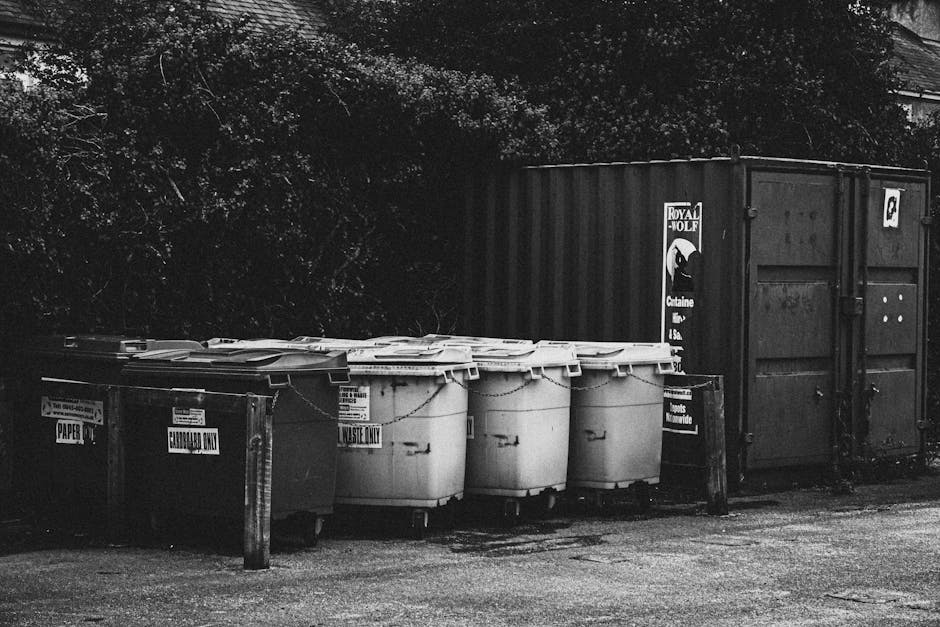
- Blocking fire exits or shared routes: Never treat corridors or communal areas as temporary storage unless there is a clear, permitted arrangement.
- Leaving items loose and unstable: A leaning wardrobe or open drawer can topple with surprisingly little movement.
- Assuming everything fits through the lift: Measure first. Guessing is how people end up pivoting a sofa on a landing for ten awkward minutes.
- Mixing bulky waste with general rubbish: Make the collection point tidy and easy to assess.
- Ignoring weather exposure: Outdoor storage without cover can ruin fabric and weaken cardboard supports.
- Forgetting building rules: Some blocks have quiet hours, access restrictions, or concierge requirements. Check before collection day.
There is also the "I'll deal with it later" mistake, which is very human and very common. Later arrives, the item is still there, and now it has become part of your mental furniture too. Better to decide, schedule, and move on.
Tools, Resources and Recommendations
You do not need much kit to handle bulky waste well, but the right basics make a big difference.
| Item | Why it helps | Best use |
|---|---|---|
| Measuring tape | Checks doorways, lift dimensions, and hallway turns | Before moving or booking pickup |
| Heavy-duty gloves | Helps protect hands from splinters, staples, and rough edges | Handling dismantled furniture or damaged items |
| Moving blankets or old sheets | Protects floors, walls, and furniture surfaces | Storage and transport prep |
| Masking tape or labels | Keeps parts and piles clearly identified | Mixed clear-outs and multi-item jobs |
| Basic screwdriver set | Useful for dismantling furniture safely | Breaking down flat-pack or modular items |
On the planning side, the most useful resources are often the boring ones: building access notes, flat dimensions, and a clear list of what you want removed. If you are dealing with a larger property project, it can help to compare options through pricing and quotes so you understand which route suits the scale of the job.
For trust and peace of mind, the pages on insurance and safety and payment and security are also worth a look. Those details matter more than people think, especially in flats where access, handling, and liability can get complicated fast.
Law, Compliance, Standards, or Best Practice
For bulky waste in flats, the most sensible approach is to follow accepted UK waste-handling practice and any building-specific rules that apply to your property. That includes not obstructing common areas, not creating a hazard, and making sure items are handled by a responsible person or provider who can deal with them properly.
If you are a tenant, leaseholder, or managing agent, it is also wise to keep in mind the terms of your tenancy agreement, lease, or block rules. Those documents often cover storage in communal areas, movement through shared spaces, and responsibility for damage. The exact wording varies, so check the paperwork rather than relying on memory. Memory is useful, but not always that useful.
From a practical best-practice point of view, bulky waste should be:
- kept out of escape routes and fire doors
- stored in a way that prevents tipping or collapse
- separated from anything hazardous or leaking
- moved with due care to avoid damage to the building
- handed over only when collection access is safe and clear
It is also sensible to choose a provider or process that aligns with responsible disposal and recycling expectations. If you want to understand the values behind that approach, about the team gives useful background, and the modern slavery statement reflects a broader commitment to ethical operations. That kind of transparency matters. It just does.
Options, Methods, or Comparison Table
There is no single "right" way to deal with bulky waste in a flat. The best method depends on the item, the amount of space you have, and how quickly it needs to go.
| Option | Best for | Pros | Watch out for |
|---|---|---|---|
| Short-term safe storage in-flat | One or two items, limited wait time | Simple, secure, minimal exposure | Can still block space if the item is large |
| Temporary communal holding | Buildings with agreed procedures | Convenient if properly managed | Only works if allowed and clearly arranged |
| Disassembly before pickup | Bed frames, tables, wardrobes | Easier handling and transport | Loose fixings, sharp edges, missing parts |
| Professional bulky waste collection | Heavy, awkward, or time-sensitive items | Less lifting stress, smoother removal | Requires accurate access information |
| Full clearance service | Multiple rooms or mixed waste | Efficient for bigger flat clear-outs | May be more than you need for a single item |
For a lot of flat residents, the sweet spot is a mix of careful short-term storage plus an organised collection. Not too much handling. Not too much delay. Just enough structure to keep the process calm.
Case Study or Real-World Example
A typical Merton flat scenario might look like this. A resident is replacing a tired sofa and an old wardrobe in a first-floor flat. The hallway is narrow, the lift is small, and the building has a shared entrance used by several neighbours throughout the morning. The items are too big to leave in the lounge indefinitely, but too awkward to move without a plan.
They start by dismantling the wardrobe into manageable panels, bagging the screws and fixings, and taping the bag to one of the larger pieces. The sofa stays intact because it is safer to move as one item than to split and damage the fabric. Both items are moved into a spare room near the entrance, away from the fire door and out of the main walking line. The floor gets protected with an old blanket. Nothing fancy.
On collection day, the resident clears the path, checks the lift is free, and keeps the building entrance unobstructed. The collection goes smoothly because the access details were accurate and the items were prepared sensibly. No drama, no neighbour irritation, no half-hour of wrestling a sofa around a corner while everyone pretends not to watch. That is the real win.
If the same flat had also contained leftover DIY rubble or offcuts, the resident might have needed a different approach, possibly alongside builders waste disposal in Merton. Different waste streams often need different handling. Mixing them up is where people get stuck.
Practical Checklist
Use this before you book or move anything.
- Have you identified every bulky item that needs removing?
- Do you know whether any item can be dismantled safely?
- Have you chosen a safe, dry holding spot that does not block access?
- Are fire doors, exits, and communal routes fully clear?
- Have you checked door widths, stair turns, or lift dimensions?
- Are loose parts, glass, or sharp pieces secured?
- Have you protected floors or walls where needed?
- Do building rules or tenancy terms affect where the item can be kept?
- Have you arranged the pickup date and time clearly?
- Will someone be available to give access and answer questions?
- Have you separated bulky waste from any hazardous or leaking material?
- Is the final route from storage spot to exit clear and safe?
Quick takeaway: if you can store the item safely, move it without damage, and keep shared areas clear, you are already most of the way there.
Get a free quote today and see how much you can save.
Conclusion
Bulky waste in a Merton flat does not need to become a week-long headache. With a bit of planning, safe storage, and a realistic pickup approach, even awkward items can be handled cleanly and without stressing out the whole building. The key is to think ahead: protect the space, protect the item, and keep the route simple.
If your flat clear-out is part of a bigger move or property change, it may also be worth reading more about local living and housing context through Merton living essentials, the Merton real estate buyer's guide, or property market updates in Merton. Bigger life changes often bring bigger clear-outs, funny how that works.
And if you are still weighing the best way to handle it, the most practical next step is usually to review your item list, check access, and choose the collection route that fits your building and your timing. One calm decision at a time. That is usually enough.


 Tipper Van - Rubbish Collection and Rubbish Removal Prices in Merton, SW19
 Luton Van - Rubbish Collection and Rubbish Removal Prices in Merton, SW19