






Morden (SM4) Bulky Waste Pickup: Streets We Serve
Posted on 02/06/2026
If you live in Morden and you've got an old sofa blocking the hall, a mattress leaning in the spare room, or a pile of awkward household junk that simply won't fit in the car, you're not alone. Bulky waste has a habit of hanging around longer than it should. And in a busy part of South West London, it can become a nuisance quickly.
This guide to Morden (SM4) Bulky Waste Pickup: Streets We Serve explains how local bulky item removal works, which kinds of streets and properties are typically served, what to expect on the day, and how to prepare so the job goes smoothly. It also covers sensible best practice, local considerations, and a few things people often forget until the last minute. To be fair, that happens a lot.
Whether you're clearing one item or a whole roomful, the goal is the same: get it out safely, legally, and without turning your driveway, hallway, or front path into a mini obstacle course.
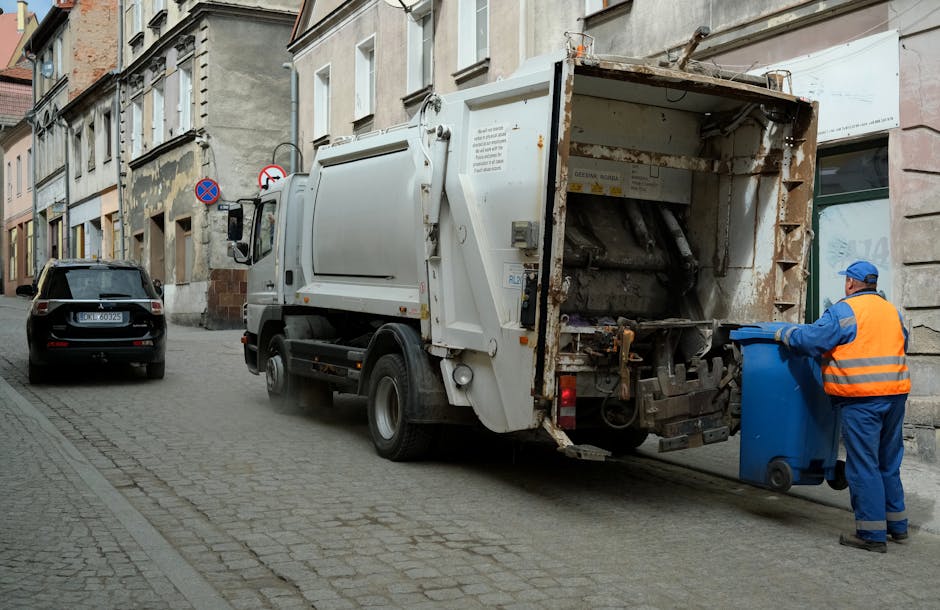
Why Morden (SM4) Bulky Waste Pickup: Streets We Serve Matters
Bulky waste is different from the ordinary bag-and-bin routine. It includes items that are too large, too heavy, or too awkward for standard waste collection. A broken wardrobe, a dining table, a settee, garden furniture, old shelving, exercise equipment, or a damaged freezer can all fall into this category.
In Morden, that matters for a simple reason: homes and streets vary a lot. You've got terraced roads, flats above shops, maisonettes, cul-de-sacs, newer developments, older family homes, and properties with limited parking. A bulky item that looks manageable indoors can become a real headache once it reaches the front door. Narrow hallways, shared entrances, and tight turns can make a quick job feel like a game of Tetris nobody asked for.
That's where a local pickup service earns its keep. It gives residents a practical way to remove unwanted items without needing a van, skip permit, or a half-day of lifting and shuffling. It also helps keep streets tidy, improves safety around entrances and shared spaces, and reduces the temptation to leave items outside for "later" - which, let's face it, can easily turn into several weeks.
If you're also dealing with a wider clear-out, you may find it useful to look at broader waste clearance in Merton or the company's wider services overview to see how bulky pickup fits into the bigger picture.
There's another reason this service matters: timing. One sofa in a hallway becomes a fire and access issue if it sits there too long. Broken furniture can also be a hazard for children, pets, and anyone moving through the property with bags, laundry, or boxes. Truth be told, bulky waste rarely stays "just out of the way." It ends up in the way.
How Morden (SM4) Bulky Waste Pickup: Streets We Serve Works
The process is usually straightforward, but the details matter. In most cases, the booking starts with a description of the items you want removed, where they're located, and how accessible they are. That sounds simple enough, yet access is often the deciding factor in whether a pickup is smooth or awkward.
For example, a mattress left in a ground-floor front room is a very different job from a wardrobe on the third floor of a narrow staircase with no lift. A good provider will want to know what they're dealing with before arrival so they can plan the right team size, vehicle space, and lifting approach.
Local bulky waste pickup in SM4 often covers a mix of residential streets and property types, including:
- terraced homes on quieter residential roads
- semi-detached houses with front gardens or drives
- flats with shared entrances or communal hallways
- small office premises and work units
- new-build apartments with controlled access
- houses undergoing moving, renovation, or decluttering
That doesn't mean every street is handled the same way. Access restrictions, parking pressure, and building layouts all affect the plan. Some roads are easier for short parking stops; others require careful scheduling or a little extra walking distance from the vehicle. A decent crew will work around that, but it helps if you warn them early.
Many customers use bulky pickup alongside other clear-out services. If you're emptying a property room by room, it may make sense to combine it with house clearance in Merton or, for work-related premises, office clearance support. That can save a second visit and usually keeps the process tidier.
As for the items themselves, crews generally look for safe lifting opportunities and suitable materials for recycling or disposal. Heavy white goods, timber furniture, mixed household waste, and electricals can often be separated rather than handled as one anonymous heap. That's better for recovery, better for safety, and better all round.
Key Benefits and Practical Advantages
People usually call for bulky waste pickup because they need a problem solved fast. Fair enough. But the real value goes beyond just "getting rid of stuff."
| Benefit | What it means in practice | Why it helps in Morden |
|---|---|---|
| Convenience | No need to hire a van or move heavy items yourself | Useful on streets where parking and loading can be awkward |
| Speed | Items can be removed in one visit | Helpful during moves, renovations, and end-of-tenancy deadlines |
| Safety | Less manual lifting and fewer trip hazards | Important for narrow hallways, stairs, and shared entrances |
| Sorting | Recyclables and reusable materials can be separated | Supports better resource use and lower landfill reliance |
| Local know-how | Crews understand access and parking realities | Useful on residential roads with tight turning or limited waiting space |
There's also a mental benefit that people don't always mention. Once the unwanted item is gone, the room feels different. Lighter. More usable. A spare room stops feeling like a dumping ground and starts feeling like, well, a room again. That can be a surprisingly big shift.
For larger or mixed loads, you may also want to compare your options with broader rubbish removal in Merton if you're not sure whether your job is technically "bulky waste" or a more general clearance. Sometimes the distinction is less important than choosing the right service.
Who This Is For and When It Makes Sense
Bulky waste pickup is useful for a wide range of people. It's not just for big home moves or dramatic "we've finally had enough of this garage" moments. Though, yes, those are common too.
This service makes sense if you are:
- moving house and need furniture removed before completion
- clearing out a rental property at the end of a tenancy
- replacing old furniture, mattresses, or appliances
- dealing with a bereavement or family home clearance
- renovating and removing old fittings or broken items
- clearing a garden, shed, or garage of large bits and pieces
- running a business and need office furniture or stock fixtures taken away
In Morden, timing often decides the job. If a sofa is due to be replaced, it usually makes sense to arrange pickup just before delivery day. If you're clearing a property for sale or letting, bulky waste removal can help with presentation and space planning. You can see how that fits into the local housing picture in these useful reads on the Merton property market and the Merton real estate buyer's guide.
Residents who are getting to know the area may also appreciate a broader sense of local living and community context via what to know about living in Merton or the more general local guide on exploring Merton as a London suburb. Not essential reading for a sofa pickup, granted, but useful if you're settling in or changing homes nearby.
Step-by-Step Guidance
Here's the practical version. If you want the pickup to go well, the job starts before the truck arrives.
- List every item clearly. Include furniture size, quantity, and anything unusually heavy or awkward.
- Check access. Think about stairs, narrow halls, gates, lifts, locked entrances, parking, and distance from the property to the vehicle.
- Separate what can stay. Keep anything you want, because once items are mixed together it's too easy to lose track of smaller belongings.
- Move small loose items away. Shoes, tools, cables, toys, and box contents can slow everything down if they're left around the main item.
- Tell the team about hazards. Broken glass, sharp metal edges, damp mattresses, pests, or mould are important to mention.
- Ask how the loading will happen. This is especially useful in homes with awkward layouts or shared spaces.
- Confirm payment and arrival details. Saves a lot of "where are they?" stress on the day.
- Be ready for a quick check. The team may need to confirm the final load before removing it.
A small but important note: if you live on a street with tighter access, it may be worth stepping outside five or ten minutes before arrival. That simple little habit can avoid the classic awkward dance of one person waiting at the door and another circling the road in a van. Nobody enjoys that. Nobody.
If the job is part of a larger home reset, pairing it with garden waste removal in Merton or even builders waste disposal can be efficient, especially after a renovation or outdoor clear-out.
Expert Tips for Better Results
Here's where a little forethought really pays off. The best pickups aren't lucky; they're prepared.
- Measure large items before booking. A sofa that "probably fits" is not the same as one that definitely fits through a hallway.
- Take a quick photo. It helps when describing multiple items, especially if you have a mix of furniture and loose waste.
- Keep pathways clear. Even a narrow route free of bags, shoes, and plant pots makes a difference.
- Check whether electrical items need special handling. Fridges, freezers, TVs, and monitors may need separate treatment depending on the item and condition.
- Be honest about weight. "A bit heavy" is one thing; a cast-iron table base is another.
- Plan around neighbours and parking. A little consideration goes a long way on compact residential roads.
Another tip: if you're working to a move-out deadline, don't leave bulky waste until the last evening. The pressure rises, the hallway gets crowded, and suddenly everyone is tired and carrying a lampshade. Not ideal.
For readers who want to understand the service standards behind the scenes, it can help to review the company's approach to insurance and safety and its wider commitment to recycling and sustainability. Those pages are useful when you want reassurance that the work is being handled properly, not just quickly.

Common Mistakes to Avoid
Most problems with bulky waste pickup are avoidable. The frustrating part is that they're usually avoidable in a fairly ordinary way.
- Underestimating access issues. A job can look simple until the item reaches a tight turn or a stair landing.
- Not separating useful items. Keep donation-worthy or reusable things aside before removal day.
- Forgetting to mention mixed waste. Furniture, bags, and electricals may need different handling.
- Leaving items in shared areas without warning. This can create nuisance or block access.
- Assuming everything can go together. Some materials need special processing, especially electricals and certain hazardous items.
- Booking too late. Deadlines have a habit of appearing quickly, especially when you're moving or refurbishing.
A classic slip-up is not telling the crew about an item's condition. A mattress with hidden damage or a wardrobe that's already half-collapsed is not quite the same as a solid item. Small detail, big difference.
Another common one: people focus on the big item and forget the little stuff around it. Then they're surprised when the "one sofa job" turns into a much longer clear-out. Happens all the time.
Tools, Resources and Recommendations
You do not need a garage full of gear to prepare for bulky waste pickup, but a few simple tools make life easier.
- Measuring tape for doors, stair turns, lifts, and item dimensions
- Gloves for moving small pieces or sharp-edged materials safely
- Labels or sticky notes to mark what stays and what goes
- Tape or string for securing loose parts on dismantled furniture
- Phone camera for taking pictures of the load before the appointment
- Storage boxes or bags for keeping salvageable screws, cables, or accessories together
It can also help to read through the provider's key service pages before booking. The main services page is a good starting point if you want a quick view of what's available, while the pricing and quotes page is useful for understanding how estimates are usually structured.
If you care about how waste is handled after collection - and many people do - the sustainability information is worth a look. That way you know the emphasis is not just on removal, but also on responsible processing where possible.
Law, Compliance, Standards, or Best Practice
Any waste removal work in the UK should be handled carefully and in line with responsible waste management practices. Without getting overly technical, the key point is simple: waste should go to appropriate licensed facilities, and carriers should handle it in a way that helps reduce fly-tipping and unsafe disposal.
For residents, best practice means checking a few basics before you book:
- Does the provider explain how your waste will be handled?
- Is there clear communication about what can and cannot be collected?
- Are payment and booking details handled securely?
- Does the team mention safety, access, and lifting precautions?
That last point is especially important in older properties and shared buildings. Narrow stairwells, awkward angles, and fragile walls can make careless lifting expensive. A tidy removal is not just about speed; it's about leaving the property in good shape.
If you want more detail on the company's standards, the pages on payment and security, terms and conditions, and about us offer helpful background. They're the sort of pages people often skip, then later wish they hadn't.
One more practical note: if you are sorting through sensitive paperwork, personal documents, or business materials during a clear-out, handle those separately. That's common sense, but common sense is often the first thing to vanish in a messy hallway.
Options, Methods, or Comparison Table
If you're deciding how to remove bulky waste in Morden, there are usually a few routes. The best one depends on volume, urgency, access, and how much lifting you want to do yourself.
| Method | Best for | Pros | Limitations |
|---|---|---|---|
| Bulky waste pickup | One-off large items or a few heavy pieces | Fast, convenient, less lifting | May not suit very large mixed clear-outs |
| General rubbish removal | Mixed household waste and furniture | Flexible for varied loads | Needs clearer item description |
| House clearance | Whole rooms or full-property clear-outs | More comprehensive, good for big projects | Usually more involved than a simple pickup |
| DIY transport | Small, light, manageable items | Can be economical if you already have transport | Heavy lifting, time, disposal logistics |
In practice, the decision often comes down to effort versus convenience. If the item is bulky but the job is small, pickup is usually the least stressful route. If the property contains several rooms of unwanted items, house clearance may be the cleaner option. And if you've got a mix of furniture, builders debris, and general clutter, a broader waste clearance approach is often the sensible middle ground.
Case Study or Real-World Example
Here's a typical Morden scenario, stripped of any unnecessary drama. A family is preparing to move from a semi-detached house near a busy residential road. They've got an old sofa, two wardrobes, a broken desk, and a mattress that has been in the spare room far too long. The hallway is narrow, parking is tight, and the move-out deadline is close.
Instead of trying to wrestle everything into a borrowed car over several trips, they arrange a bulky pickup. Before the appointment, they measure the wardrobes, clear the hallway, and separate a few items they want to keep. They also tell the crew that the sofa has a damaged arm and that one wardrobe will need to be dismantled.
On arrival, the team can plan the removal properly. The items are loaded with less hassle, the family avoids repeated lifting, and the room is left ready for cleaning and final checks. Simple outcome, but a genuinely useful one.
What made the job smooth wasn't luck. It was preparation, honest communication, and a realistic view of access. That's the pattern you see again and again.
Another example: a landlord clearing a flat after tenants leave behind a bed frame and assorted furniture. In that case, a local pickup helps the property move back toward lettable condition quickly. If the job spans a bigger set of rooms or includes cupboards, bags, and mixed debris, a more complete house clearance service may be the better fit.
Practical Checklist
Use this quick checklist before pickup day. It keeps things calm, and calm is underrated.
- List every bulky item clearly
- Measure large furniture and check access routes
- Move small items, cords, and loose clutter out of the way
- Keep anything you want to retain in a separate room or marked area
- Tell the provider about stairs, lifts, parking, and entry restrictions
- Flag broken, damp, sharp, or unusually heavy items
- Confirm the appointment time and any payment details in advance
- Ask whether recycling or reuse is possible for selected items
- Make sure shared entrances and paths are clear
- Have a final look around before the team loads up
If you've got a busy household, it may help to do this the evening before. A quick 10-minute sweep can save a half-hour of faffing around the next morning. Small win, but still a win.
Conclusion
Morden (SM4) bulky waste pickup is really about making a difficult job feel manageable. Whether you're clearing one worn-out item or preparing a home for the next stage, the best results come from simple planning, clear communication, and choosing a service that understands local access conditions.
The streets and homes across Morden are varied, and that means the right approach matters. A thoughtful pickup can save time, reduce stress, and help you avoid the messy middle ground where bulky items sit in the way for weeks. Not glamorous, but very useful.
If you want a smoother experience, start by describing the load properly, checking access, and choosing a provider that values safe handling and responsible disposal. That's usually the difference between a rushed job and a tidy one.
Get a free quote today and see how much you can save.
And if you're still weighing up the best option, take it one step at a time. The right removal plan has a way of making the whole place feel lighter.



 Tipper Van - Rubbish Collection and Rubbish Removal Prices in Merton, SW19
 Luton Van - Rubbish Collection and Rubbish Removal Prices in Merton, SW19