




Wimbledon Common: Park Visitor Rubbish Etiquette
Posted on 14/05/2026
Wimbledon Common is one of those rare London green spaces that can feel busy and peaceful at the same time. One minute you have joggers, dog walkers and families on a weekend stroll; the next, you are standing by a quiet path with nothing but wind in the trees and the soft scrape of shoes on gravel. And right there, among the obvious pleasures of a park visit, is a simple responsibility that too many people still miss: Wimbledon Common: Park Visitor Rubbish Etiquette.
This is not just about "being tidy". It is about keeping a shared landscape pleasant, safe and usable for everyone else. It is about knowing what to do with a sandwich wrapper, where to put a coffee cup, why food scraps can cause more harm than you might think, and how to leave the Common looking as though you were never there. Truth be told, good etiquette is usually quite simple once you know the rhythm of the place.
In this guide, you will find practical, local, plain-English advice on how to handle litter responsibly, what visitors should do when bins are full, how to avoid common mistakes, and why respectful waste habits matter more than people often realise. If you want a broader look at the area, you may also find this guide to Wimbledon Village and SW19 local rubbish removal useful, especially if you are visiting, moving nearby, or managing waste at home.
Why Wimbledon Common: Park Visitor Rubbish Etiquette Matters
Park etiquette sounds a bit formal, but in practice it is just common sense with a civic side to it. Wimbledon Common is a heavily used shared space, which means one person's casual mess quickly becomes everyone else's problem. A wrapper dropped near a bench can blow into bushes. A food container left beside a path can attract foxes, crows or rats. Even biodegradable waste, which people often assume will "just go away", can be harmful if it disrupts wildlife or makes the area unpleasant for others.
There is also a social side. Most park visitors are doing the right thing, so littered areas stand out sharply. A clean common feels welcoming. A messy one changes how people use the space. Families may spread out less. Dog walkers may avoid certain paths. Runners notice debris underfoot. And if you have ever arrived early on a cool morning, with the grass still damp and the place almost silent, you will know how quickly one bit of rubbish can break that feeling. It is a small thing. Not really small, though.
If you are coming from a household, office, or shared property nearby, habits matter beyond the park too. Good waste routines at home make public spaces easier to respect. For practical collection support, you can explore rubbish removal in Merton, or see the wider services overview to understand how local waste handling can support better disposal habits overall.
Key point: park rubbish etiquette is not about being fussy. It is about leaving a shared place in the same condition, or better, than you found it.
How Wimbledon Common: Park Visitor Rubbish Etiquette Works
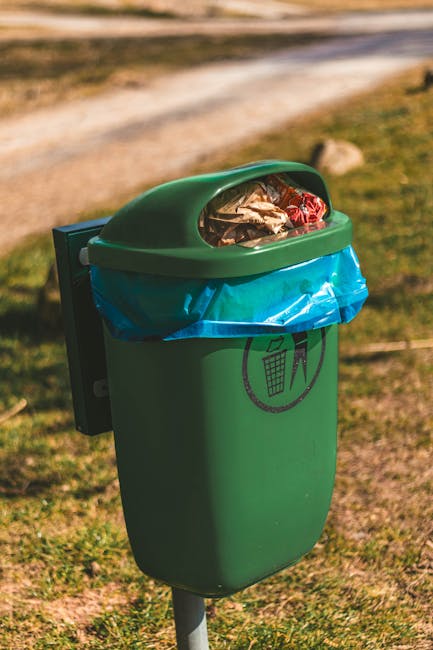
The basic rule is easy: bring your waste in, take your waste out, and use park bins properly when they are available. That sounds obvious, but the details matter. A park bin is not a household bin. It is often smaller, fills faster, and may be set aside for lightweight litter rather than bulky bags of mixed rubbish. So the practical approach is to plan ahead instead of assuming the park will absorb everything for you.
In a place like Wimbledon Common, the etiquette usually breaks down into a few simple habits:
- Keep wrappers, tissues, bottles, cans and snack packaging together in one bag or pocket until you find a bin.
- Put waste into the bin fully, rather than leaving it balanced on top where it can blow away.
- Do not leave food scraps on grass or under bushes, even if they seem harmless.
- Separate recyclable items where facilities make this clear and easy.
- Take larger waste home if the park bin is full or unsuitable.
That last point matters more than many visitors expect. A full bin is not a reason to leave rubbish beside it. If the lid will not close, the waste is already at risk of scattering. Better to carry it a little further, or hold onto it until you leave. Annoying for a moment? Yes. Better for everyone else? Absolutely.
Sometimes etiquette also depends on the type of visit. A solo walk with a coffee is different from a picnic with children, a dog outing, or a small gathering. That is where planning helps. If you are taking food, bring a spare bag. If you have drinks, make sure lids are secure. If you are with children, give them one clear rule: "what comes in goes out". Simple, memorable, and surprisingly effective.
Key Benefits and Practical Advantages
Good park waste etiquette has benefits that go far beyond appearance. The first is obvious: a cleaner common is more enjoyable to use. But there are other advantages that people sometimes overlook.
It protects wildlife and green space
Small waste items can harm birds, foxes, insects and other wildlife. Food packaging can trap crumbs and smells. Plastic can be mistaken for food. Even paper napkins, if scattered, become unsightly and can linger in damp weather. And yes, London weather will happily test your patience here.
It improves the experience for everyone
Visitors notice the atmosphere of a place very quickly. Clean paths, tidy seating areas and litter-free grass make a park feel cared for. That encourages better behaviour in return. Mess, on the other hand, tends to spread. One abandoned cup becomes three. That is just human nature, unfortunately.
It reduces avoidable clean-up work
Park maintenance teams and volunteers already have enough to do without clearing avoidable picnic waste. Responsible visitors help keep limited resources focused on real maintenance, not simple litter collection.
It supports a better local reputation
For nearby residents, visitors and businesses, the condition of a public space says a lot about how the area is treated. If you are interested in how the wider district is experienced and valued, have a look at this overview of Merton as a serene London suburb and what living in Merton is really like. Public spaces and local character are tied together more closely than people think.
Who This Is For and When It Makes Sense
This guidance is for almost anyone who uses Wimbledon Common, but some visitors benefit from it more than others.
- Picnic visitors: food packaging, napkins and bottles can create a surprising amount of waste in just an hour.
- Dog walkers: pet waste bags need proper disposal, not "temporary" placement by a gate or tree.
- Families with children: snack wrappers and drinks containers are easy to misplace during a busy outing.
- Runners and cyclists: taking small waste home is often the easiest, cleanest option.
- Event-goers: birthdays, informal gatherings and meet-ups usually generate more packaging than expected.
- Local residents: if you use the Common often, etiquette becomes part of your everyday routine.
It also makes sense if you are organising a small outdoor meetup nearby. For example, if you are planning a celebration elsewhere in the borough, you may find ideas from this guide to the best party places in Merton helpful. Outdoor fun is fine. It just works better when waste is thought through before the first sandwich is opened.
If you are dealing with a bigger clean-out at home, perhaps after a move or a clear-down before guests arrive, services like house clearance in Merton or waste clearance in Merton may also be relevant in the background. Keeping your home waste under control usually makes public-space behaviour easier too.
Step-by-Step Guidance
If you want a practical, no-nonsense approach to park rubbish etiquette, use this sequence. It is simple, but it works.
1. Pack for the visit properly
Bring a small bag for rubbish, especially if you are picnicking. A resealable bag or carrier bag is usually enough. If you have drinks, use containers with lids. If children are coming, assume there will be more waste than you planned for. There usually is.
2. Minimise waste before you arrive
Choose reusable bottles, washable containers and snack packaging that travels well. A bit of planning before leaving home can cut down the number of wrappers and cups you carry around the park. Less faff, less mess.
3. Use bins if they are available and suitable
If you find a bin, check that it is not already overflowing. Put items inside fully, and do not leave waste on the ground beside the bin. That is one of the quickest ways to create a problem for everybody.
4. Separate recyclables where possible
If the bin system is clearly marked for recycling, follow it. In a mixed-use park setting, not every item can be recycled on site, so do not guess wildly. If in doubt, keep recyclable material with you until you can dispose of it properly elsewhere.
5. Take food waste seriously
Food scraps are not harmless because they are natural. They can attract animals, create smells, and leave residue that makes public areas feel unclean. Dispose of them securely, especially after picnics.
6. Leave no trace around your spot
Before you move on, do a quick scan. Tiny things matter: a bottle cap, a receipt, a crisp packet corner stuck in grass. This is the bit people skip, and then wonder why parks never quite stay clean.
7. Carry waste home if needed
If bins are full or you are carrying a more substantial amount of waste, take it home. That is often the most responsible option. If you have a larger volume from home or a project, a local service such as our services or waste and clearance services may be more suitable than trying to solve everything on the spot.
Expert Tips for Better Results
After seeing how people behave in parks over time, a few small habits stand out as genuinely useful.
Carry one extra bag, always
One extra bag for rubbish, one for recycling if needed. It takes almost no space, and it stops the classic "we'll just hold this" chaos that begins around halfway through a walk. Bags solve problems quietly.
Use a zipped pocket or container for loose bits
Loose items like receipts, tissues, bottle tops and wrappers tend to escape from open pockets. A zipped pouch, even a small one, prevents the little annoying losses that end up littering the ground.
Keep wet waste separate if you can
Damp napkins, food scraps and spilled packaging can make the rest of your waste unpleasant to carry. A separate liner or bag helps. Not glamorous. Very practical.
Think about wind before you unpack
Wimbledon Common can be breezy in open stretches. If you are spreading out a picnic, place items in the centre first. Paper napkins, sandwich wrappers and lightweight packaging can lift off quickly. You know how it goes - one gust and suddenly everyone is chasing a receipt like it has a life of its own.
Be the person who tidies before leaving
This sounds minor, but it sets the tone for others around you. People copy visible behaviour in public spaces more than they admit. A tidy group often leads to a tidy patch of grass.
For visitors who care about responsible disposal beyond the park, recycling and sustainability guidance can help build better habits at home too. That connection matters. Small routines tend to travel with us.
Common Mistakes to Avoid
Most problems on the Common are not dramatic. They are little lapses. Repeated enough, though, they become the reason a lovely space feels neglected.
- Leaving rubbish beside a full bin: if the bin is full, hold onto the waste or take it away.
- Assuming food scraps are fine because they are organic: they still attract pests and create mess.
- Dropping tissues in grass: tissues are easy to miss, slow to disappear, and unpleasant to see.
- Using the park as a temporary storage place: "I'll pick it up later" often means someone else has to.
- Overfilling bins: compacting waste above the rim creates overflow and scattering.
- Mixing dog waste with general litter carelessly: pet waste should always be bagged and disposed of correctly.
- Expecting a park bin to handle household rubbish: it is for visit waste, not large bags of domestic waste.
There is one more mistake worth mentioning. People sometimes tidy their own spot and forget the wider area. If your bag has blown open or packaging has scattered a few metres away, it is worth walking over and picking it up. It takes twenty seconds. It changes the whole feel of the place.
Tools, Resources and Recommendations
You do not need special equipment to behave well in a park, but a few simple items make everything easier.
| Item | Why it helps | Best use |
|---|---|---|
| Small rubbish bag | Keeps litter contained during a visit | Picnics, family outings, dog walks |
| Reusable bottle or cup | Reduces disposable waste | Walks, running, commuting through the area |
| Zip pouch | Stops small items escaping | Receipts, bottle tops, tissues |
| Wet-waste liner | Makes food scraps easier to carry | Picnics and longer stays |
| Spare carrier bag | Useful if bins are full | All visits, really |
If you are clearing out larger volumes of waste around the same time, whether from home, a garden project or an office space, it may be easier to use professional support rather than trying to juggle it yourself. Relevant pages include garden waste removal in Merton, builders waste disposal in Merton, and office clearance in Merton. Different waste streams need different handling, and that bit is easy to overlook.
If you want to understand the people behind the service, the about us page is a useful place to start. For practical details on booking and cost expectations, see pricing and quotes and the information on payment and security.
Law, Compliance, Standards, or Best Practice
For everyday park visitors, the key point is not to overcomplicate the legal side. The practical standard is simple: do not litter, and dispose of waste responsibly. In the UK, littering and fly-tipping are treated seriously, and local authorities may deal with abandoned waste where it creates a nuisance or environmental issue. If you are uncertain about a specific rule, check the relevant local guidance rather than guessing.
That said, most of what matters here is best practice, not legal drama. Keep rubbish contained. Do not leave bags by bins. Respect recycling signs where they exist. Use pet waste bags properly. And if you are bringing items that create more waste than a normal walk, plan for them as you would anywhere else in London.
Safety and responsibility go hand in hand. If you are handling heavier waste at home before a park visit or dealing with bulky items after a clear-out, it is sensible to think about lifting, carrying and disposal method too. The site's insurance and safety information is a useful reminder that waste work should be handled carefully, especially when items are awkward, sharp or heavy.
Options, Methods, or Comparison Table
People usually handle park waste in one of three ways. The right choice depends on how much you are carrying and how long you will be out.
| Method | Best for | Pros | Limitations |
|---|---|---|---|
| Use park bins | Small amounts of litter | Quick, simple, convenient | Bins may be full or limited |
| Carry waste home | Picnics, dog walks, busy days | Reliable, keeps the Common clean | You have to hold onto it a bit longer |
| Arrange professional disposal for larger waste | Household, garden, or bulky rubbish | Efficient, suitable for bigger volumes | Not needed for ordinary park litter |
For most visitors, the first two methods are enough. If your rubbish is part of a larger household or commercial clear-out, that is where a local service becomes useful. The main thing is to match the method to the waste. Trying to solve a household-scale rubbish problem with a park bin is a recipe for frustration. And, frankly, a mess.
Case Study or Real-World Example
Picture a Sunday afternoon on the Common. A small family brings sandwiches, fruit, drinks and a blanket. Nothing fancy. By the end of the visit, they have a crumpled bag of wrappers, a couple of napkins, some fruit peel and one sticky plastic tub from dessert. It would be easy to leave the bag by the bench and promise to deal with it later. People do that. More often than they should.
Instead, they use one spare carrier bag brought from home. The parent folds the blanket, checks the grass for anything small, and the children are asked to pick up their own wrappers. There is a little pause while they look for a bottle cap, because of course it rolled slightly downhill. Then everything goes into the bag and comes home with them. No drama. No spill. The spot is left neat for the next visitors.
That kind of routine is boring in the best possible way. It avoids complaints, keeps wildlife safer, and means the family does not contribute to the frustrating chain reaction of park litter. A tiny habit, honestly, but it scales well. Whether you visit once a year or every week, that is the sort of behaviour that keeps a place feeling cared for.
Practical Checklist
Use this quick checklist before you leave for or exit Wimbledon Common.
- Bring a spare rubbish bag.
- Use reusable containers where possible.
- Keep food scraps secured, not loose.
- Take all packaging with you if bins are full.
- Do a final sweep of your spot before leaving.
- Dispose of dog waste correctly and immediately.
- Do not leave items beside bins or benches.
- Carry waste home if the park cannot handle it properly.
- Recycle only where bins are clearly marked.
- Leave the area looking tidy for the next person.
Expert summary: if you remember only one rule, make it this: plan for your own rubbish before you arrive. It removes almost every awkward moment later on.
Conclusion
Wimbledon Common is valuable because it feels open, natural and shared. That feeling depends on thousands of small decisions made by visitors every day. Rubbish etiquette is one of the simplest of those decisions, yet it has a big effect on how the place looks, smells and feels.
Take your waste with you. Use bins properly when they are available. Keep an eye on small items that might blow away. And if you are dealing with waste on a larger scale at home or work, use the right local support rather than hoping a park bin will solve it. That is really the heart of good etiquette: not perfection, just care.
If you are making plans for a bigger clear-out, or simply want reliable help with waste handling around Merton, start with the practical options available and choose the route that keeps things simple, safe and responsible. Small habits add up. They really do.
Get a free quote today and see how much you can save.


 Tipper Van - Rubbish Collection and Rubbish Removal Prices in Merton, SW19
 Luton Van - Rubbish Collection and Rubbish Removal Prices in Merton, SW19